
Discover the Power of Seasonal Healthy Cooking
Learn how choosing seasonal ingredients transforms your kitchen into a wellness hub. Explore the science, benefits, and practical methods behind eating what nature offers each season.
The information on this site is for educational purposes only and does not constitute medical advice. Always consult a qualified healthcare professional before making health decisions.
Why Seasonal Cooking Matters
Seasonal ingredients aren't just fresher—they're nutrient-dense, sustainable, and deeply connected to your body's natural rhythms.
Nutritional Excellence Through the Seasons
When vegetables and fruits reach peak ripeness in their natural growing season, they contain maximum levels of vitamins, minerals, and antioxidants. A tomato harvested in summer at full maturity offers far more lycopene than one picked green in winter. Spring greens are packed with chlorophyll and detoxifying compounds. Autumn squashes deliver beta-carotene and warming properties your body naturally craves as temperatures drop.
Seasonal eating aligns your diet with your body's genuine nutritional needs throughout the year, supporting energy levels, immune function, and overall vitality without forcing supplements or artificial enhancement.
- Seasonal produce, harvested at its peak, is often considered to be more nutrient-dense than off-season imports. times more bioavailable vitamins than off-season imports.
- Natural rhythm alignment: Your body's nutritional demands shift with daylight and temperature.
- Cost efficiency: Seasonal ingredients cost less because they're abundant and require minimal transport.
Core Features of Our Seasonal Approach
Six foundational pillars that make seasonal cooking the most practical path to wellness.
Fresh Ingredient Selection
We guide you to identify the peak-season produce available in German markets each month. Spring brings asparagus and peas; summer offers berries and zucchini; autumn delivers apples and root vegetables; winter features cabbage and leeks. Our detailed seasonal guides ensure you always know what's at its nutritional best.
Recipe Adaptation Techniques
Learn how to modify any classic recipe to work with seasonal ingredients. Understand flavor pairing principles, cooking method adjustments, and ingredient substitutions that maintain nutritional value while honoring what each season offers. Our articles teach you to cook by intuition, not rigid formulas.
Kitchen Wisdom & Tips
Practical shortcuts that make seasonal cooking accessible. Storage methods to keep fresh produce longer. Batch-cooking strategies for busy schedules. Equipment recommendations for efficient seasonal meal preparation. We focus on making your kitchen work for you, not against you.
Body-Centric Nutrition
Seasonal cooking naturally supports your body's shifting needs. Cool, hydrating foods predominate in summer when your body releases heat. Warming, grounding foods anchor winter months. We explain the energetic properties of seasonal foods and how they support natural biological cycles without medical claims.
Sustainability Connection
Choosing seasonal local produce reduces carbon footprint from transportation, supports regional farmers, and eliminates the pesticide load of long-distance shipping. We explore how eating seasonally creates a positive feedback loop between your wellness and environmental responsibility.
Community & Content
Access a growing library of articles, seasonal guides, and reader-submitted recipes. Learn from our editorial team's deep knowledge of seasonal cooking practices. Explore how different cultures around the world have honored seasonal eating for centuries.
How Seasonal Cooking Works
A practical four-step framework for integrating seasonal eating into your daily life.
Understand Your Season
Identify which season you're in and check our seasonal ingredient guides. Learn what vegetables, fruits, and herbs are at peak availability in German markets right now. Each season offers roughly 20–30 primary ingredients at their nutritional best.
Build Your Ingredient List
Shop for 5–7 seasonal ingredients that appeal to you. Read our articles on flavor pairing to understand which ingredients naturally complement each other. Visit a farmers' market or well-stocked grocery store and let availability guide your choices.
Learn Adaptable Recipes
Browse our recipe collection to find dishes featuring your chosen ingredients. We provide base recipes that show you the technique, then guide you on how to swap, substitute, and adapt as seasons change. Understand the principles, not just the steps.
Cook, Taste & Refine
Prepare your meals with intention. Notice how seasonal ingredients taste and how your body responds to them. Use our tips for storage, batch cooking, and meal planning to make seasonal eating sustainable. Return to our articles as seasons shift to stay aligned.
Benefits of Seasonal vs. Year-Round Eating
A clear comparison showing why seasonal eating delivers superior results.
| Aspect | Seasonal Eating | Year-Round Uniform Sourcing |
|---|---|---|
| Nutrient Density | Maximum vitamins, minerals & antioxidants at peak ripeness | Harvested early; nutrients decline during long transport |
| Cost | Lowest prices due to local abundance & minimal transport | Premium prices; import costs & cold-chain logistics |
| Flavor | Rich, complex taste from natural ripening conditions | Muted flavor; bred for shelf-life over taste |
| Environmental Impact | Minimal carbon footprint; supports local agriculture | High transport emissions; intensive monoculture farming |
| Body Alignment | Foods naturally support your body's seasonal needs | Constant diet creates nutritional monotony |
| Cooking Skills | Develops intuitive ingredient knowledge & adaptation | Encourages formula-based recipes; less flexibility |
Seasonal Ingredients by Season in Germany
Know exactly what to shop for and when to enjoy produce at its peak.
Spring (March–May)
- • Asparagus
- • Green peas
- • Lettuce & salad greens
- • Spinach
- • Radishes
- • Nettles
- • Rhubarb
- • Herbs (parsley, chives, dill)
Summer (June–August)
- • Berries (strawberries, raspberries, blueberries)
- • Cherries
- • Zucchini
- • Tomatoes
- • Cucumbers
- • Peppers
- • Green beans
- • Basil & fresh herbs
Autumn (September–November)
- • Apples
- • Pears
- • Plums
- • Grapes
- • Squash & pumpkins
- • Mushrooms
- • Cabbage
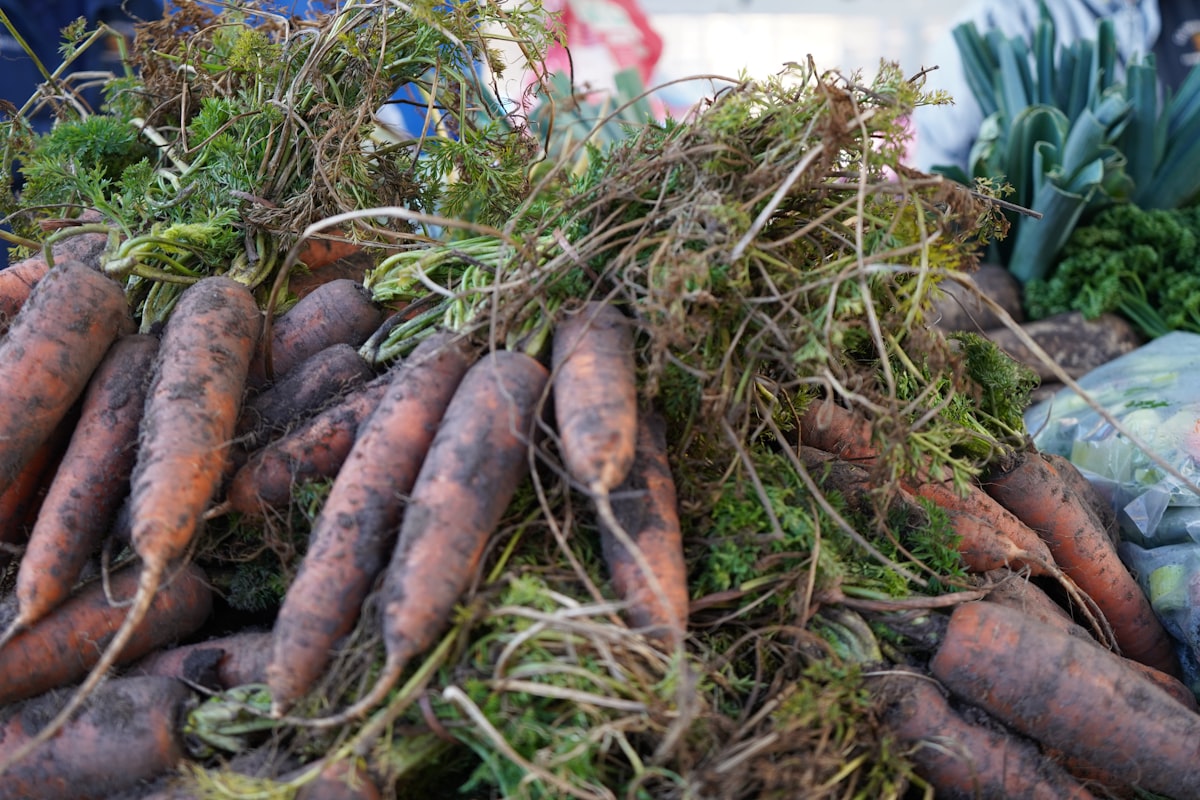
- • Root vegetables (carrots, beets)
Winter (December–February)
- • Root vegetables (potatoes, parsnips, turnips)
- • Leafy greens (kale, chard)
- • Cabbage varieties
- • Leeks
- • Onions & garlic
- • Citrus (imported)
- • Nuts
- • Dried legumes
Pro Tip: Visit a farmers' market or local grocer each season and notice what's abundant and affordable. These price signals tell you what's naturally in season. Build your meals around what's cheapest—it's always the freshest.
Testimonials from Our Readers
Discover how seasonal cooking has transformed the kitchens and wellness journeys of home cooks across Germany.
"I used to buy the same vegetables year-round without thinking about it. After reading the seasonal guides here, I completely changed my approach. Now I look forward to asparagus in spring and pumpkin in autumn. The recipes actually taste better, and my grocery bills dropped significantly. This has become my go-to resource."
Sarah M., Berlin
"As someone who loves cooking but was bored with my recipe rotation, this site opened my eyes. The seasonal framework makes planning meals so much easier. I don't have to think as hard—nature tells me what to cook. The adaptation techniques have made me a much more confident cook."
Marcus T., Munich
"The content here is genuinely educational without being preachy. I appreciate that the team explains the 'why' behind seasonal eating—the nutrition science, the environmental impact, how it supports natural body rhythms. It's changed how I think about food entirely."
Katrin L., Hamburg
"I've been following Wellnesscookingpath for months now, and the seasonal tips have genuinely improved my cooking and my energy levels. The articles are well-researched and practical. I feel more connected to the food I eat and when I eat it. Highly recommend."
Daniel P., Frankfurt
Frequently Asked Questions
Answers to common questions about seasonal cooking and our content approach.
What if I can't find seasonal produce in my area?
Seasonal sourcing depends on your local climate and supply chains. German supermarkets now stock seasonal German and European produce year-round. Farmers' markets are the best source for truly local seasonal items. If specific produce is unavailable, our articles teach you to substitute intelligently using flavor and texture principles rather than following recipes rigidly.
Are your recipes suitable for beginners?
Absolutely. Our recipes range from simple 15-minute dishes to complex multi-step preparations. Each recipe includes technique notes and adaptation tips. We also publish foundational articles on knife skills, cooking methods, and kitchen fundamentals. Whether you're new to cooking or experienced, you'll find content that challenges and supports you.
Do you provide meal plans or shopping lists?
Our articles include seasonal ingredient guides and recipe collections, but we intentionally avoid rigid meal plans. We believe seasonal cooking works best when you develop your own intuition about what to cook based on what's available and what your body needs. Our guides teach you how to plan, not what to plan.
How do you approach sustainability?
Sustainability is woven into everything we do. We prioritize seasonal and local ingredients, minimize food waste through nose-to-tail cooking techniques, and advocate for sustainable fishing and farming practices. Every recipe is developed with environmental impact in mind.
Is there a community or membership program?
We're building an engaged community of wellness-minded cooks. While we don't currently offer paid memberships, we encourage you to join our newsletter for exclusive recipes, in-depth guides, and early access to new content. Subscribe today to become part of our growing community.
Loved by Wellness Seekers Everywhere
Real stories from people who've transformed their relationship with food and wellness.
"Wellness Cooking Path completely changed how I think about eating. I now cook seasonally and feel more connected to my food than ever before. The recipes are simple but elegant."
Sarah Mitchell
Nutritionist, Portland
"As someone with food sensitivities, I appreciate how thoughtfully these recipes are created. No shortcuts, no mystery ingredients—just pure, honest cooking."
Marcus Chen
Health Coach, San Francisco
"The sustainability angle really resonates with me. Cooking mindfully while respecting the planet—this is the future of food. I recommend Wellness Cooking Path to everyone."
Emma Rodriguez
Environmental Advocate, Boulder
Start Your Wellness Cooking Journey Today
Join thousands of subscribers who are cooking seasonally, mindfully, and sustainably. Get exclusive recipes and wellness wisdom delivered to your inbox.
No spam, just recipes and wellness insights. Unsubscribe anytime.